Not many countries have a strong implementation and design of a broad roadmap when it comes to technology integration as a crucial aspect of their development objectives; the UAE is surely not one of them. The implementation of tech-savvy policies is massively improving various industries in the UAE retail sector.
In this article, we will ensure you understand why technology is so important in the paced acceleration of the Dubai retail market. With the creation of a Ministry for Artificial Intelligence, the country has established its position as a robust jurisdiction for; innovation and global advances.
1. Will the retail sector grow in 2026?
The retail sector in Dubai is expected to grow steadily in 2026, driven by increased tourism, the adoption of digital and AI-powered shopping experiences, and the continued expansion of hybrid retail models that combine online and offline experiences.
It is no surprise that the pandemic rewrote the retail rulebook. That is to say, safety and health concerns are not purchasing drivers and sellers are implementing tech-driven transformations in months instead of years. Success will come to businesses that can find a balance between a need for speed and a long-term strategy.
The hybrid retail model is growing in popularity; social commerce is the next growth frontier for regional and local players. Dubai is one of the world’s leading shopping and tourism destinations, in addition; the massive retail state in the emirate is driven by the millions of tourists who travel to the emirate each year.
Being home to more than 60% of the world’s best retail brands, it has successfully developed a flourishing UAE retail sector that; despite global challenges, it is an important contributor to the country’s economy.
2. What are some Predictions for the UAE retail market in 2026?
Recent research conducted by the Chamber of Commerce and Industry in Dubai has projected the UAE’s sales to reach AED 259 billion ($70.5 billion) by 2026; this represents an annual growth of more than 6.5%.
The measures taken to support the Dubai retail market such as rent waivers and other benefits have played a crucial part in preserving this field when it comes to the pandemic impact. Likewise, shopping malls in Dubai have adapted harmoniously to integrate the different parts of entertainment outlets and lifestyles into their services.
In Dubai, UAE, and the GCC, in the same vein, shopping malls are social environments; where citizens do not go only to shop but also to socialize. The malls in Dubai being part of the UAE retail sector, are also important global tourist destinations; with them receiving more than 78 million visitors per year.
Social commerce and AI-driven shopping experiences continue to be major growth drivers in 2026. Platforms like Instagram, TikTok, and emerging UAE-specific apps are increasingly influencing consumer spending, while immersive technologies such as AR shopping experiences are redefining customer engagement.
Aside from traditional commerce trends, this could benefit the UAE retail market size in the following years for more revenue.
4. What is the retail hybrid model?
The hybrid retail model—combining in-store, online, and AR/VR experiences—remains a key strategy for retailers in 2026. Shoppers expect seamless integration across channels, and businesses leveraging technology for personalization gain a competitive edge
5. What will be the role of technology in the UAE retail market in 2026 and forward?
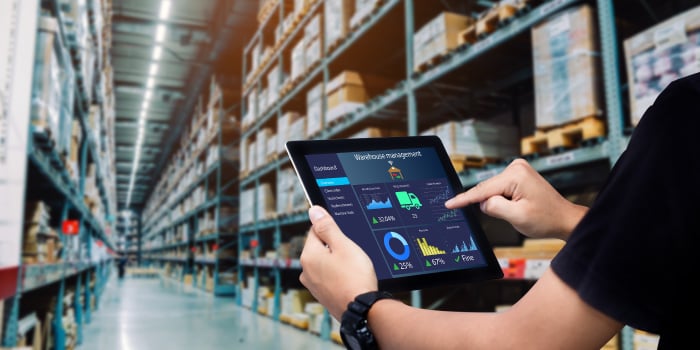
In short, technology remains an essential differentiator in the success of companies across the UAE retail market in 2026. Rapid advancements in AI, augmented reality, IoT, and data analytics are reshaping the sector, creating new opportunities for both established and emerging retailers.
Consumer behavior continues to evolve—shoppers are more informed, connected, and expect seamless experiences across online and offline channels. They now demand faster service, personalized recommendations, and competitive pricing, regardless of where or how they shop.
For service providers, this means delivering a consistent and highly responsive experience across all touchpoints, whether in physical stores, mobile apps, or digital platforms. In an increasingly technology-driven and customer-centric landscape, data analytics and AI-driven insights are the key tools for understanding customer preferences, anticipating needs, and driving loyalty. Retailers who leverage these tools effectively will gain a decisive advantage in the UAE market.
By 2026, the UAE e-commerce and digital retail market is projected to exceed AED 35 billion, fueled by rapid adoption of hybrid retail models, immersive shopping experiences, and AI-powered personalization. Technology continues to be the foundation for new entrants, enabling innovative players to disrupt traditional business models, while companies that fail to invest in modernization risk losing market share.
5.1. Technology is pushing forward the retail sector
Family-owned businesses that once dominated the UAE retail industry are now competing in a highly dynamic market where technology determines success. Digital transformation has accelerated growth for new entrants, enabling innovative retailers to enter the market and thrive, while companies that fail to modernize risk losing relevance.
The UAE retail and wholesale sector continues to be a major contributor to the economy, accounting for around 28% of Dubai’s GDP. By 2026, the e-commerce and digital retail market is projected to exceed AED 35 billion, driven by a combination of hybrid retail models, AI-driven personalization, and immersive technologies.
Every customer is now a focal point of business strategy. Retailers are leveraging technology to create highly personalized, seamless shopping experiences across online and offline channels. This approach not only enhances customer satisfaction but also turns shoppers into brand advocates.
The integration of physical and digital environments is reshaping the in-store journey. Advanced technologies—such as AI-powered recommendation engines, augmented reality (AR) try-ons, interactive digital displays, and IoT-enabled smart stores—allow for hyper-customization and real-time engagement. Mobile devices, apps, and digital screens are now central to the shopping experience, moving the market from a “one-to-many” communication approach to a “one-to-one” model, where retailers can deliver highly tailored experiences to individual customers.
Technology is no longer optional; it is the foundation for growth, competitiveness, and innovation in the UAE retail sector in 2026.
6. Why are malls in the UAE so popular among tourists?
Regarded as one of the most visited destinations in the UAE, shopping malls are among the world’s most visited and largest destinations in the country. As aforementioned, they are popular tourist attractions and meeting places for the local population. Further, the Dubai mall alone is used to welcome more than 80 million consumers per year.
Travelers have ranked the mall as #2 on TripAdvisor’s list of the best things to do in Dubai. Moreover, the shopping malls’ prevalence in day-to-day UAE life is in part thanks to the weather, in addition to offering the best experiences, UAE malls provide relief from outside temperatures that can reach 40º.
On a humid and hot summer day, e-commerce convenience cannot compete with the comfort of air conditioning.
6.1. Digital challenges in the UAE retail sector
Retailers in the UAE must constantly innovate their customer experiences with the right technology. But with all the advantages that technology offers to retailers, there are also a number of challenges. In other words, the pandemic has reduced customer-facing revenue; this caused retailers to be more present and active in digital channels.
While at the same time, they must keep direct links with consumers.
Compared to other countries, existing UAE e-commerce platforms are minimalist and contain fewer items, have few product reviews, and provide minimal product details. Moreover, many retailers lack the technological platforms required to run their commerce digitally.
Another issue the digital UAE retail sector must overcome is that malls are an integral part of the social environment of the country. That is to say, while consumer habits are constantly changing; these factors make shopping malls in the UAE more appealing than shopping digitally.
7. The UAE has technology-driven free zones
The UAE’s leadership has embraced new technologies. For instance, the country’s largest financial free zones:
- Dubai International Financial Center.
- And Abu Dhabi Global Market.
They have set up and organized advanced fintech ecosystems ideal for new businesses and start-ups; the free zones are also cooperating among established companies so both ends can obtain the benefits.
In addition, the UAE also supports technology for small- and medium-sized companies in the industrial sector and considers the latter the cornerstone of the economy. In March 2021, the UAE government launched “Operation 300 bn”; a comprehensive 10-year industrial strategy aiming to establish the UAE’s industrial sector as a successful sustainable model.
More than 13,000 small and micro enterprises will benefit from financial and policy support through the newly introduced strategy; this leads to a real subsidized economy.
Tech-savvy companies are not defined only by their support to companies but also through partnerships and synergies they develop through innovation and research. The Abu Dhabi Advanced Technology Council is the first research council in the Middle East. It was created to shape the development and research for transformative technology outcomes.
The creation of the Technology Innovation Institute (TII) is also another policy that contributes toward making the UAE a tech-savvy nation for the UAE retail sector and the Dubai retail market. Further, the TII aims to become a global research center to push forward the knowledge frontiers.
8. How can we assist you to set up your business in the UAE retail sector?
The UAE retail sector continues to grow strongly in 2026, driven by rising consumer spending, tourism, and technology-driven retail innovations. This makes the industry one of the most profitable sectors for new and expanding businesses in the country.
At Connect Free Zone, we provide tailored solutions, packages, and guidance to help you establish your business in the UAE—whether on the UAE Mainland or within a Free Zone.
We handle the entire relocation and setup process, allowing you to focus on growing your business. Our team liaises directly with government authorities to ensure smooth processing of all documentation and compliance requirements. With over 21 years of experience working with businesses across all seven emirates, we also offer remote company setup services, making it easier than ever to launch your retail venture in the UAE.

Do you want to work with the best partner so you can easily set up in the UAE retail sector? Contact us and receive the best advice and counseling with us; or if you have additional inquiries, you can email us via [email protected]. Call us at +971 43 316 688 or refer a friend and earn!
 Harneet BhatiaShe is a renowned Business Sales and Golden Visa Expert, specializing in facilitating business setups in Dubai. With a comprehensive portfolio of services, she adeptly assists clients in navigating the complexities of corporate bank account creation, addressing fines issues, and managing visa services. Her expertise extends to providing VAT services and obtaining necessary DM approvals, ensuring a seamless and efficient process for her clients.